Wondering whether city living in St. Louis means a sleek downtown loft, a historic brick townhome, or a condo near parks and transit? If you want an urban lifestyle without guessing your way through building types, dues, and neighborhood feel, you are not alone. St. Louis offers a wide mix of condo and townhome options, and the right fit depends on how you want to live day to day. Let’s dive in.
Why St. Louis city living stands out
Urban living in St. Louis is not one-size-fits-all. The city officially profiles 79 neighborhoods and includes 2,956 acres of park land, so your experience can change a lot from one area to the next.
That matters if you are choosing between a condo, a townhome, or a loft-style property. Some neighborhoods lean more toward entertainment and adaptive-reuse buildings, while others feel more historic, residential, and block-specific.
Where condos and townhomes cluster
Several central-city neighborhoods stand out for buyers who want condo or townhome living. The most relevant areas include Downtown and Downtown West, Central West End, Soulard, Lafayette Square, Midtown, and Forest Park Southeast.
Each area brings a different rhythm. That is why it helps to think beyond price and square footage and focus on how you want your week to feel.
Downtown and Downtown West
Downtown is known for residential lofts and a dynamic nightlife scene. Downtown West shares much of that same urban-core energy and sits just to the west.
If you want to be close to major events and entertainment, this area puts you near Busch Stadium, Ballpark Village, Enterprise Center, and City Museum. For many buyers, that means easy access to sports, concerts, dining, and a more fast-paced city atmosphere.
Central West End
The Central West End offers a central location with strong urban convenience. It is described as a neighborhood of sidewalk cafes, coffee houses, bistros, bookstores, boutiques, and a range of housing options, including modern condominiums and historic homes.
This area also benefits from close ties to Forest Park and nearby medical institutions. If you want everyday convenience with a mix of residential character and city amenities, the Central West End is one of the most balanced options in St. Louis.
Soulard
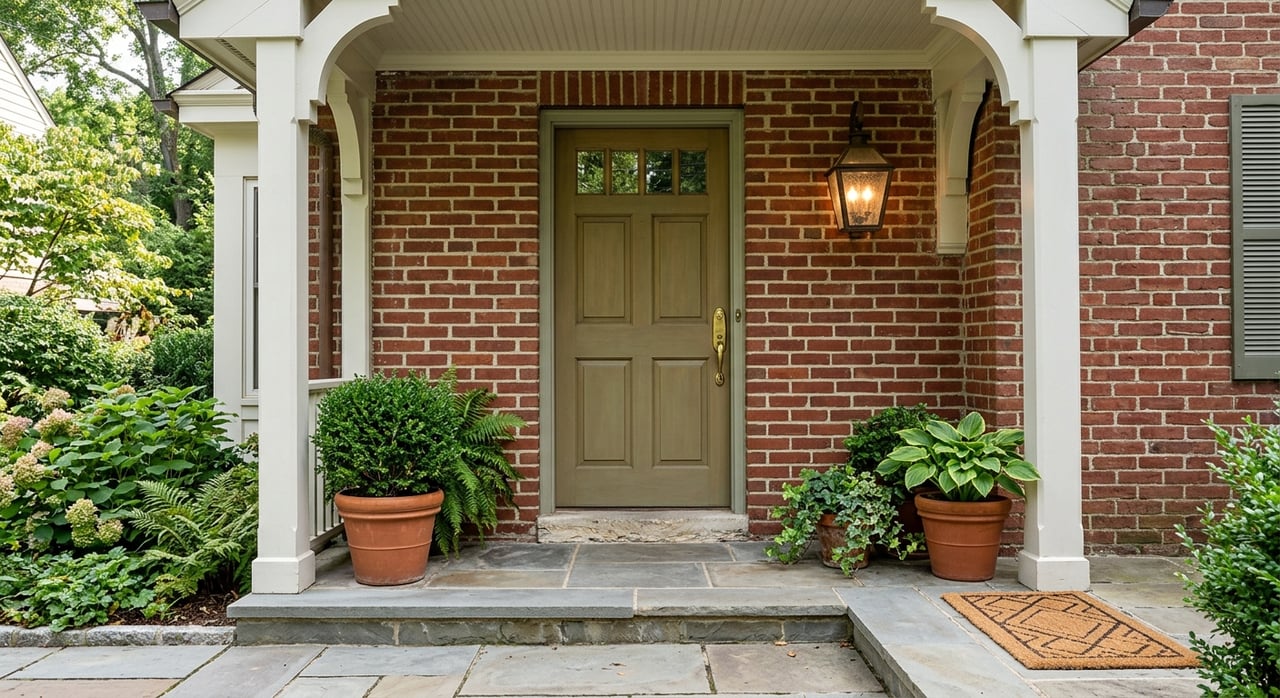
Soulard is one of the city’s classic historic residential districts. It is known for row or half houses, narrow lots, brick buildings, Soulard Market, and an old-city street pattern.
The lifestyle here tends to feel urban in a more historic, neighborhood-centered way. If you like brick architecture, established streetscapes, and a strong sense of place, Soulard often stands out.
Lafayette Square
Lafayette Square is especially known for late-19th-century town houses. Many feature mansard roofs, bay windows, ornate cornices, and masonry facades.
For buyers drawn to historic townhouse living, this neighborhood is one of the clearest examples in the city. It can appeal to people who want architectural detail and a residential setting within the urban core.
Midtown and Forest Park Southeast
Midtown sits near the geographic center of the city and has long had an urban form shaped by row houses and stores. Forest Park Southeast sits just south of the Central West End and southeast of Forest Park, placing it in the same amenity-rich central corridor.
These neighborhoods can be worth a closer look if you want central access and city living that connects easily to nearby destinations. The exact feel can vary by block and building, which is common in St. Louis.
What kinds of homes you will see
St. Louis city condo and townhome living is shaped more by older building stock than by large, uniform new developments. That gives buyers more variety, but it also means no two buildings or ownership structures are exactly alike.
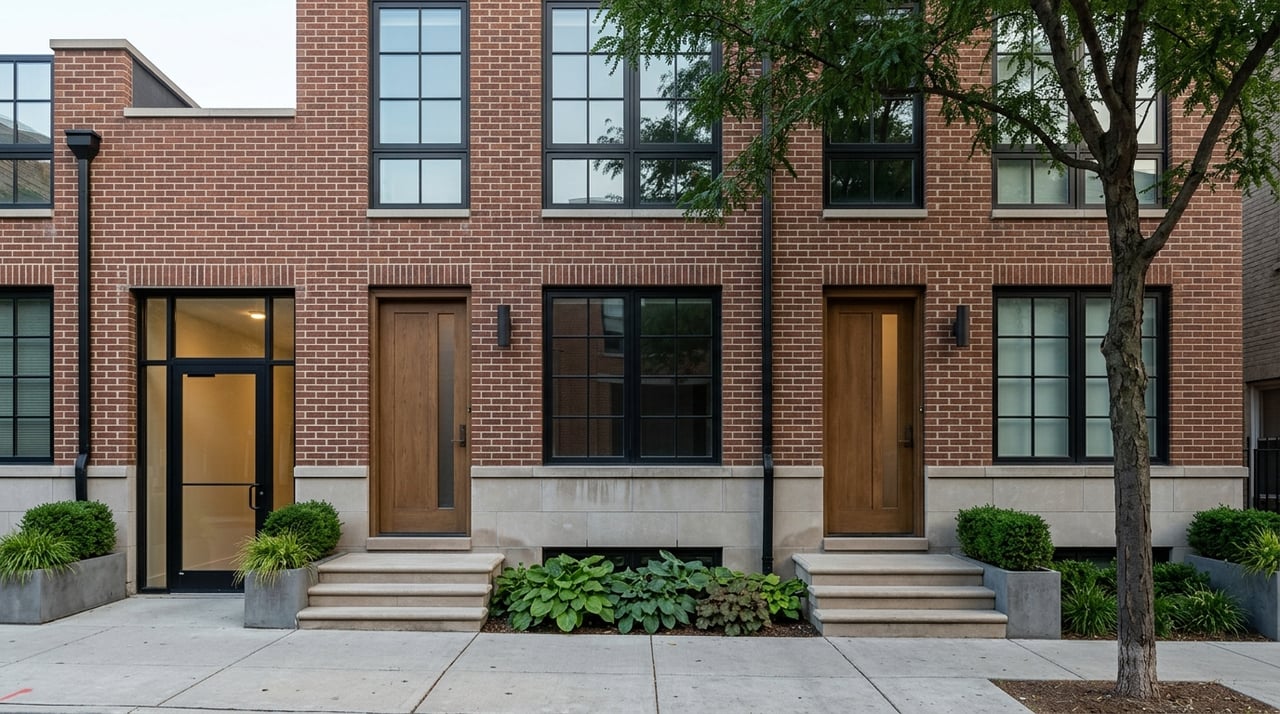
You are likely to come across brick rowhouses, town houses, flats, loft-style buildings, and condos in older mixed-use settings. In practical terms, that means your search should include both the home itself and the type of building or community behind it.
Historic townhouses and rowhouses
Lafayette Square and Soulard are strong examples of St. Louis’s townhouse tradition. In these areas, you may see two-story brick homes, street-facing facades, narrow lots, arched openings, bay windows, and decorative cornices.
For buyers who want character and architectural detail, these properties can offer a very different experience from a newer condo building. They may also come with different upkeep expectations and exterior review rules.
Lofts and adaptive reuse
Downtown is especially associated with residential lofts. That points to the role of converted and loft-style urban housing in the city core.
If you like open layouts and buildings with industrial or repurposed character, this part of the market may be a good fit. St. Louis has a strong adaptive-reuse story, and that shows up clearly in its urban housing stock.
Condos in central neighborhoods
The Central West End includes both modern condominiums and historic residential options. The area also includes apartments and flats as a major part of the built environment.
That mix gives buyers flexibility. You may find a more traditional condo lifestyle here, while still staying close to dining, green space, and central-city convenience.
Condo vs. townhome in St. Louis
One of the biggest points of confusion for buyers is that a townhome does not always work like a condo. In Missouri, a planned community is a common-interest community that is not a condominium or a cooperative.
That difference matters because ownership structure and maintenance responsibility can change from property to property. Two homes that look similar from the street may come with very different rules, dues, and repair obligations.
Why legal structure matters
Missouri condominium law is document-driven. A condominium is created by recording a declaration, and the unit owners’ association must be organized no later than the first unit conveyance.
The association can adopt and amend rules, budgets, and reserves, collect assessments, regulate common elements, and hire or terminate management. It can also levy late charges and reasonable fines after notice and an opportunity to be heard.
What to review before you buy
For condo buyers, the resale certificate is one of the most important documents in the process. Missouri law requires it before contract execution or conveyance.
The resale certificate must include key items such as:
- the declaration
- bylaws and rules
- common expense assessments
- unpaid assessments
- other fees
- reserves for capital expenditures
- the current budget
- financial statements
- pending suits
- insurance coverage
- known alteration violations
- any relevant leasehold term
This document helps you understand what you are buying into, not just what you are buying. It can also clarify whether monthly dues appear to support the building’s ongoing needs.
What monthly dues may cover
Many buyers ask what HOA or condo dues actually pay for. In a condo, the association’s role includes budgets, reserves, common-element maintenance, and common expense assessments, but the exact scope depends on the declaration and resale certificate.
That is why broad assumptions can lead to surprises. In one building, dues may cover more shared upkeep or insurance-related obligations, while another may divide responsibilities differently.
Missouri law also states that condo associations must maintain property insurance on the common elements and liability insurance. It also provides that unpaid common expenses can become a lien on the owner’s interest in the property.
Historic district rules to know
In parts of St. Louis, your building rules may not be the only rules that matter. Lafayette Square and Soulard both have local historic district standards, and the Central West End also has a city historic district with ordinances and standards for new construction and additions.
In practical terms, exterior changes, additions, and some visible renovations can involve another layer of review beyond the HOA. If you are buying with remodeling plans in mind, this is worth checking early.
Daily life and urban amenities
For many buyers, the appeal of city living is not just the home. It is the routine you can build around it.
St. Louis offers several strong urban amenity anchors, especially in the central city. Your experience will depend on location, but the city gives you real variety in how you live, move, and spend free time.
Downtown entertainment access
Downtown is one of the city’s most amenity-rich areas. Busch Stadium, Ballpark Village, Enterprise Center, and City Museum all contribute to a lifestyle built around events, dining, entertainment, and attractions.
If you want to be near activity, this part of the city can be a strong match. It is often a good fit for buyers who enjoy having things to do close to home.
Forest Park and outdoor access
Forest Park is a major quality-of-life anchor for central St. Louis. The park is about 1,300 acres and includes museums, golf courses, tennis courts, a boathouse, a dual path system, festivals, and other amenities.
The Saint Louis Zoo is located in Forest Park, and the Muny is there as well. Gateway Arch National Park adds another urban outdoor option with a 91-acre park, more than five miles of paved paths and ramps, a museum, and riverfront access.
Transit and car-light living
Transit plays a real role in city living here. MetroLink includes 46 miles of rail across 38 stations and runs roughly from before 5 a.m. to about 1 a.m. daily.
For urban residents, stations such as Central West End, Cortex, Grand, Union, Stadium, 8th & Pine, Convention Center, and Laclede’s Landing can be especially relevant. Depending on your building and daily routine, car-light living may be realistic in parts of the central city.
How to choose the right fit
The best condo or townhome in St. Louis is not just about the property. It is about matching the building, location, and ownership structure to the way you actually want to live.
As you compare options, focus on a few basics:
- whether you prefer historic character or a more modern setup
- how much exterior or shared maintenance you want to handle
- whether transit access matters to your routine
- how close you want to be to parks, dining, or entertainment
- whether the property is a condominium or a planned community
- whether historic district review could affect future updates
A steady, informed review of these factors can save you time and stress. It can also help you avoid falling in love with a home that does not fit your day-to-day needs.
If you are thinking about buying a condo or townhome in St. Louis, having experienced local guidance can make the process much clearer. When you are ready to compare neighborhoods, review association documents, and find the right urban fit, connect with Daryl Holland.
FAQs
What is the difference between a St. Louis condo and a St. Louis townhome?
- A condo is governed under Missouri condominium law and is created by recorded declaration, while a townhome may instead be part of a planned community with a different ownership and maintenance structure.
What do St. Louis condo monthly dues usually cover?
- Condo dues can relate to budgets, reserves, common-element maintenance, and common expense assessments, but the exact coverage depends on the declaration and resale certificate.
What is a Missouri resale certificate for a St. Louis condo?
- It is a required document before contract execution or conveyance that includes items such as rules, assessments, reserves, budget, financial statements, insurance, pending suits, and known violations.
Can you remodel the exterior of a condo or townhome in St. Louis city?
- Possibly, but properties in historic districts such as Lafayette Square, Soulard, and the Central West End may be subject to design standards and review in addition to HOA rules.
Is it possible to live in St. Louis city without relying on a car every day?
- In some central-city locations, yes, because MetroLink, walkable corridors, and access to downtown and park-centered amenities can make car-light living more realistic.
Which St. Louis neighborhoods are popular for urban condo and townhome living?
- Key areas include Downtown, Downtown West, Central West End, Soulard, Lafayette Square, Midtown, and Forest Park Southeast, each with a different housing mix and lifestyle feel.