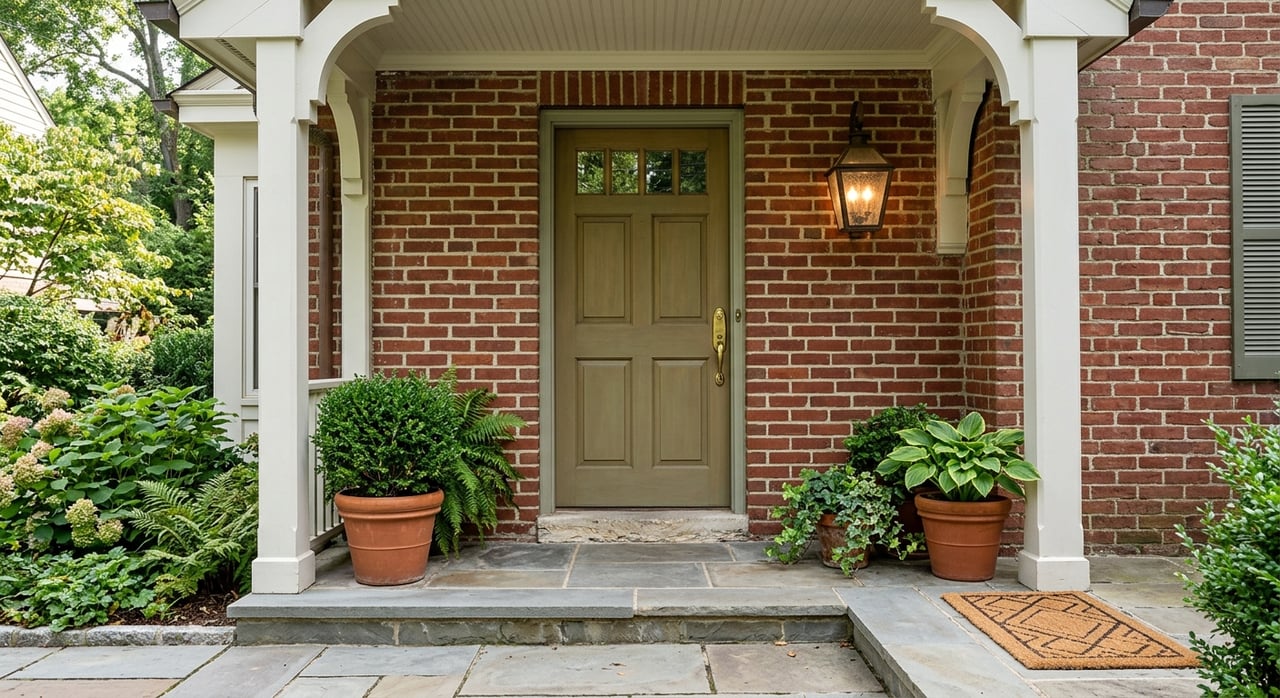
Selling your home in Maryland Heights can feel simple on the surface. Put it on the market, wait for offers, and move on. In reality, the homes that stand out are usually the ones that are prepared with care and priced with discipline. If you want to protect your value and avoid preventable delays, it helps to know what matters most before you list. Let’s dive in.
Maryland Heights market snapshot
Maryland Heights is moving differently than the broader county in some key ways. In May 2026, Redfin reported a median sale price of $259,745 in Maryland Heights, with homes selling in about 18 days and a 100.6% sale-to-list ratio. It also labeled the market very competitive.
At the same time, broader St. Louis County numbers look softer. Realtor.com reported a county median listing price of $220,000, about 37 median days on market, and a 96% sale-to-list ratio. Zillow’s county figures landed somewhere in between, which is a good reminder that countywide averages do not always reflect what is happening on your block.
That gap matters if you are getting ready to sell. Realtor.com also showed 108 homes for sale in Maryland Heights, up 34.92% year over year. More active listings can mean more competition for buyer attention, so strong preparation and accurate pricing matter even more.
Price from comps, not guesswork
The biggest pricing mistake sellers make is relying too heavily on a portal estimate or a broad county trend. Online estimates can be useful for a quick reference point, but they are not a pricing strategy. In a market where different data sources show different pace and price signals, your list price should come from neighborhood-level comparable sales.
A solid pricing plan starts with the most recent sold homes in Maryland Heights and nearby areas with similar housing stock. From there, you adjust for square footage, property type, lot features, updates, and overall condition. Permit history can matter too, especially if major work was done over the years.
This is especially important because Maryland Heights appears to be stronger than some county averages. If you price from countywide softness alone, you could leave money on the table. If you price from an optimistic online estimate without local support, you may miss the window when buyer interest is highest.
Why condition affects price quickly
Condition has a direct effect on both buyer confidence and your final pricing range. Maryland Heights requires a residential occupancy inspection when ownership changes, and the city’s materials make clear that the goal is meeting minimum health, safety, and welfare standards. That does not mean your older home has to feel brand new, but visible issues still matter.
When buyers see deferred maintenance, they often assume there may be bigger hidden problems. That can reduce showings, lower offers, or increase repair requests later. In a competitive market, even a well-located home can lose momentum if the condition does not support the asking price.
This is one reason prep and pricing should be planned together. A home with obvious repair items may need either updates before listing or a pricing adjustment that reflects the work a buyer expects to handle.
Focus on repairs buyers notice
If you are deciding where to spend money, start with visible and practical items instead of major remodeling. The 2025 Remodeling Impact Report found 100% cost recovery for a new steel door. It also found that real estate professionals often recommend painting the entire home, painting a room, and addressing the roof before a sale.
That lines up well with current buyer behavior. According to the same report, 46% of buyers are less willing to compromise on home condition. In plain terms, buyers may forgive dated finishes more easily than they forgive signs of neglect.
For most sellers in Maryland Heights, the smarter path is a light, focused improvement plan. Fix what looks worn, unsafe, or likely to come up during inspections. Then clean, simplify, and present the home in a way that feels cared for.
Maryland Heights prep items to check first
The city’s occupancy inspection checklist gives you a practical starting point for pre-listing prep. These are the kinds of items that can affect buyer impressions and create delays if left for later.
Safety and code basics
Start with the items tied to safety and basic function. These often matter more than cosmetic upgrades when it comes to smooth occupancy approval.
- Smoke detectors
- GFCI receptacles
- Plumbing leaks
- Water-heater condition
- Roof leaks
- Drainage issues
Exterior and structural appearance
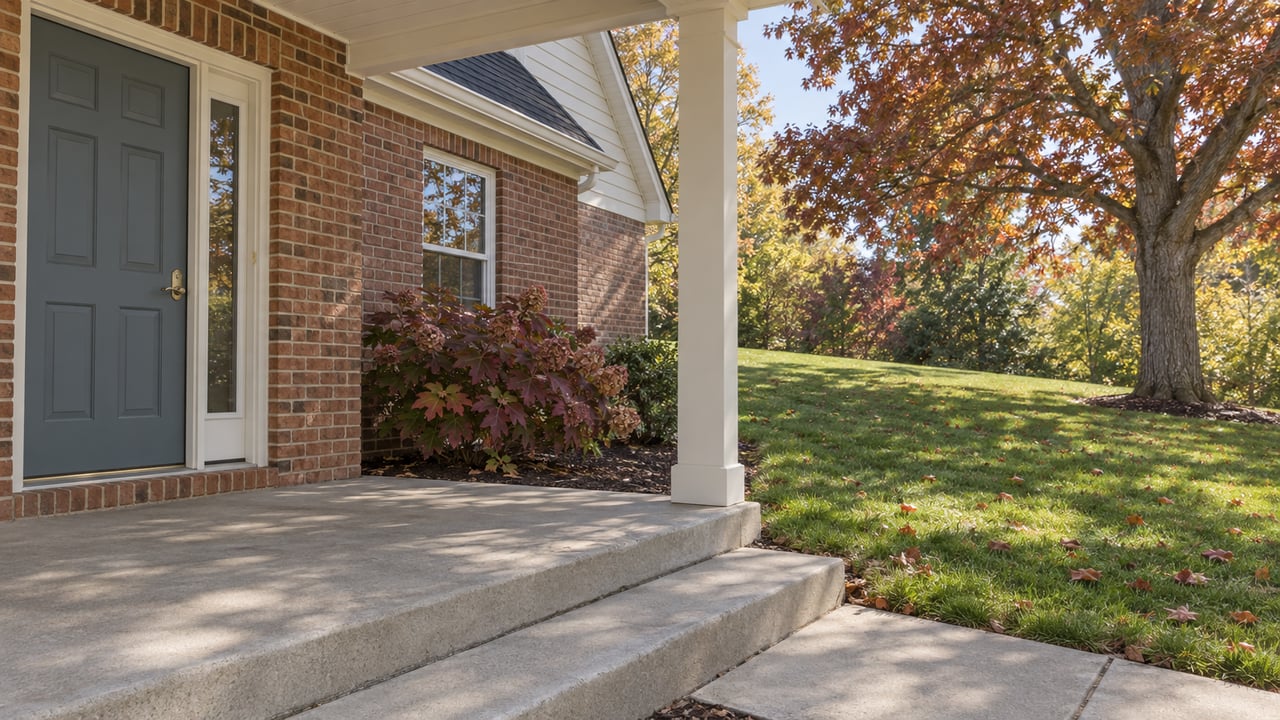
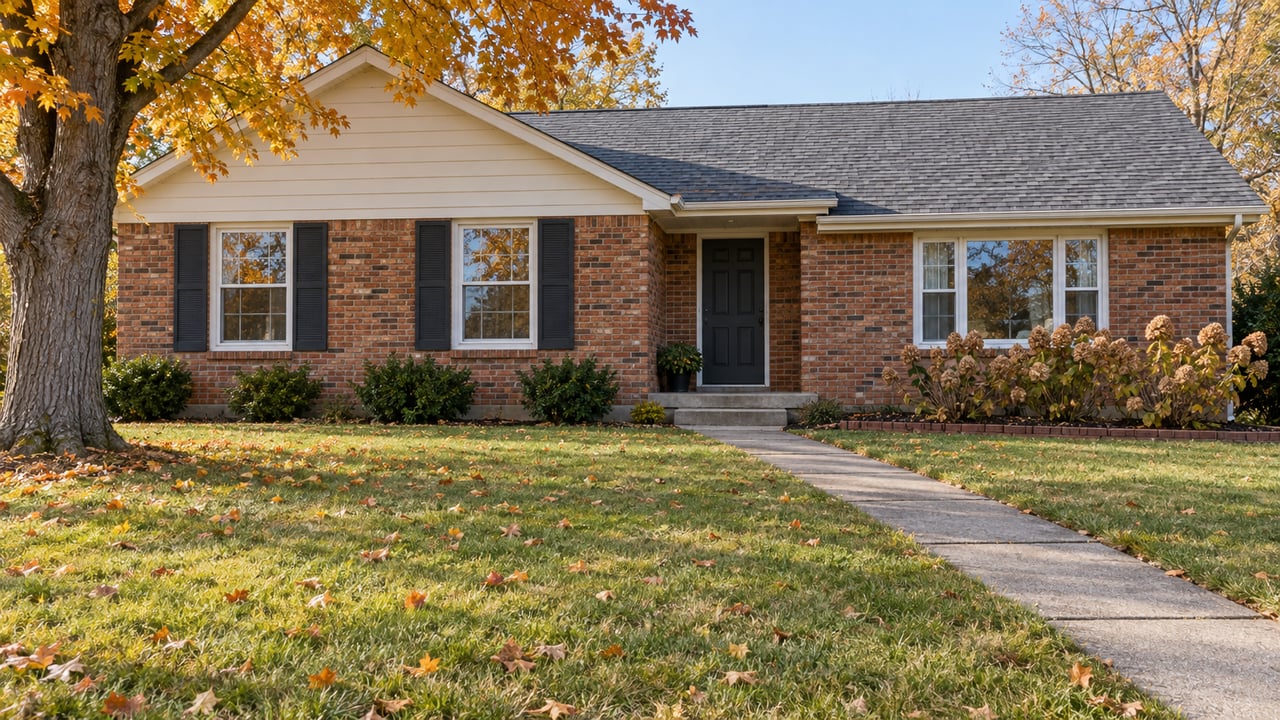
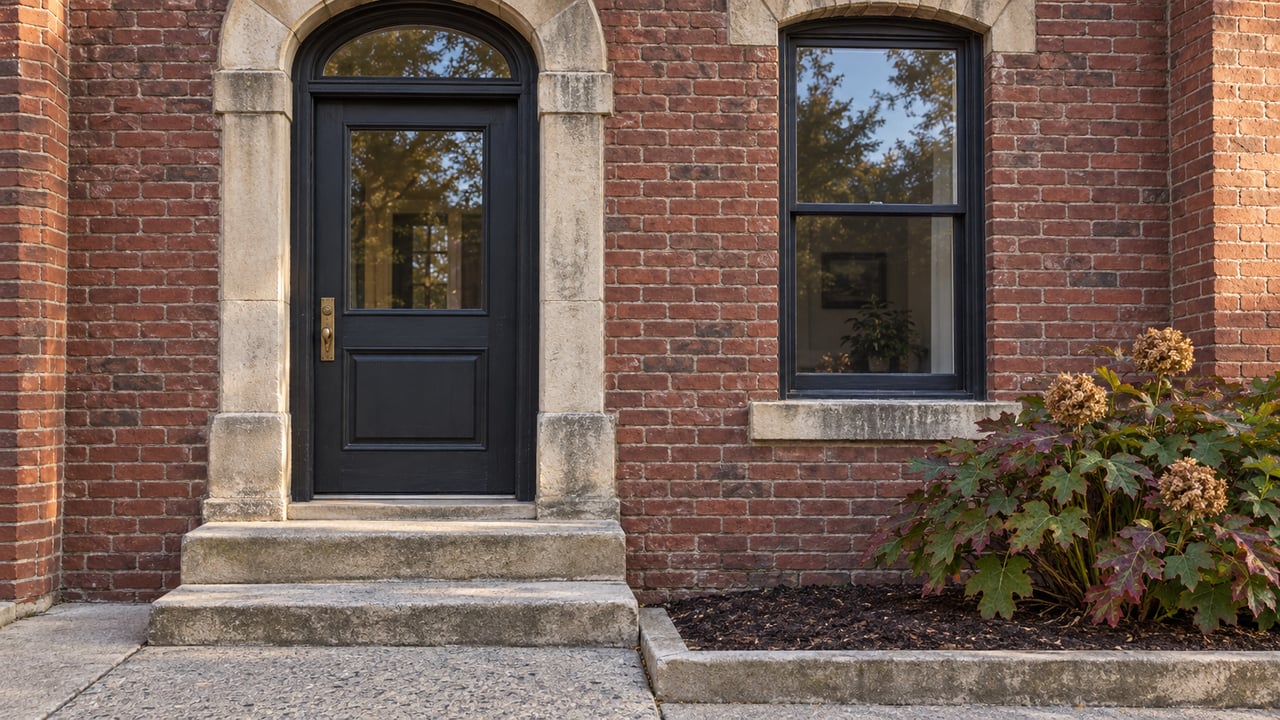
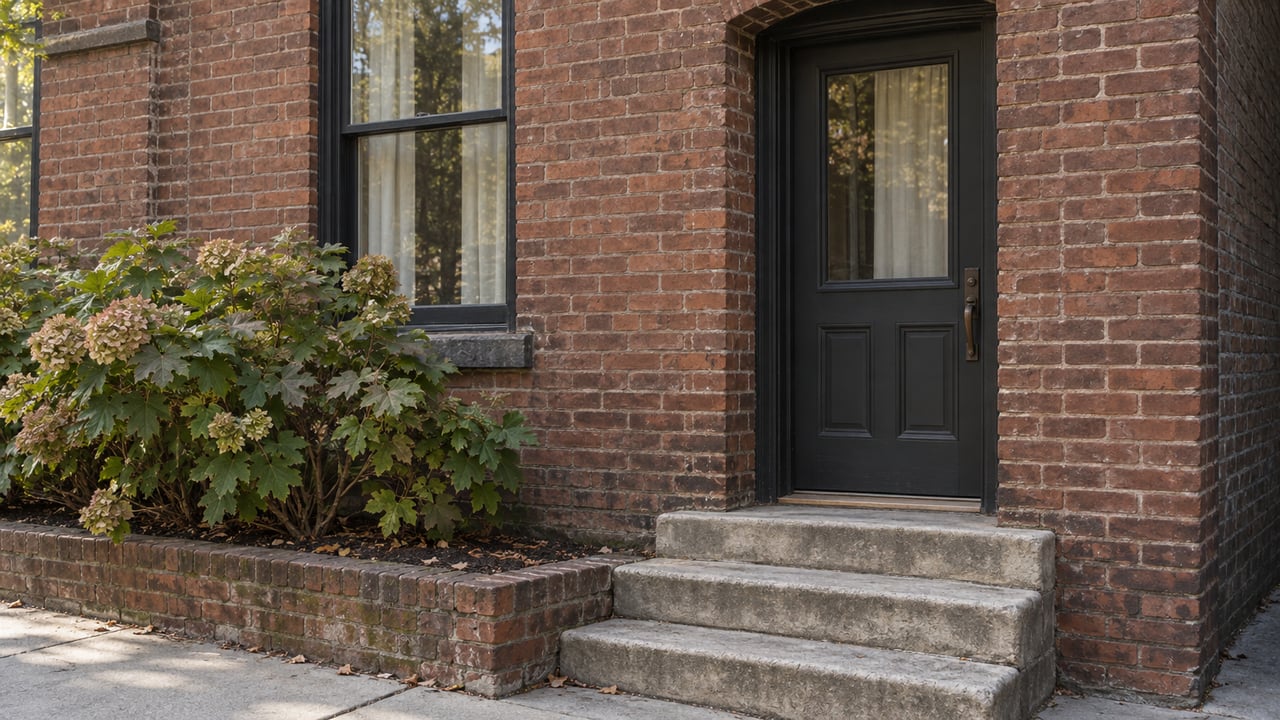
Buyers notice curb appeal immediately, and the city also looks at several exterior condition items. Even modest repairs here can improve first impressions.
- Peeling paint
- Siding condition
- Windows and doors
- Deck condition
- Signs of water intrusion
Permit history and past projects
The city notes that unpermitted work often shows up in certain areas. If you have completed projects in these spaces, it is wise to gather records early.
- Finished basements
- Kitchen replacements
- Bath replacements
- Deck additions
- Carport-to-garage conversions
If permit questions surface late, they can delay occupancy approval and complicate closing. Early review gives you more options and less stress.
Skip the full remodel unless needed
Many sellers assume they need a major renovation to compete. In most cases, that is not the most efficient choice. Based on the cost-recovery data and the city’s inspection priorities, smaller visible fixes usually make more sense than a full remodel right before listing.
Fresh paint, minor repairs, basic maintenance, and a clean presentation can go a long way. These updates help buyers focus on the home itself instead of a running list of tasks. They also help support your list price without the time, cost, and uncertainty of a large project.
If a room is badly worn or a repair issue is obvious, address it. If the home is functional and clean but simply not fully updated, thoughtful pricing is often a better tool than over-improving.
Time your sale with a plan
If your move is still months away, use that time strategically. Realtor.com’s 2026 Best Time To Sell report identified April 12 through 18 as the strongest national listing week, with 16.7% more views and homes selling about nine days faster than average.
That does not mean every Maryland Heights home should list that exact week. It does mean spring can reward sellers who prepare early. If you are thinking 6 to 12 months ahead, aim to finish repairs, gather records, and settle on pricing before the seasonal rush.
A rushed listing can lead to weak photos, incomplete prep, and a price that needs corrections later. A planned launch gives you a better chance to enter the market with clarity and confidence.
Understand the local occupancy permit
Maryland Heights adds an important local step to the selling process. The city requires an occupancy permit whenever there is a change of ownership or representation. The permit is not transferable, the inspection fee is $75, and a passed permit is valid for 90 days from the last inspection.
The city also says someone must be present for the inspection, and lock-box entry is not allowed. That means this is not a task to leave until the last minute. Scheduling and preparing for it early can help you avoid closing delays.
When sellers plan ahead for this inspection, they usually have more flexibility to fix issues on their terms. That is much easier than scrambling after a buyer is already under contract.
Know your Missouri disclosure basics
Missouri does not require a mandatory seller’s disclosure statement. However, the Missouri Real Estate Commission states that if a disclosure statement is provided, the licensee does not have to independently verify it.
Missouri REALTORS’ disclosure materials also emphasize statutory disclosures and adverse material facts, including lead-based paint, methamphetamine or controlled-substance history, and waste-disposal-site or demolition-landfill issues. Federal law still requires lead-based paint disclosures for most homes built before 1978.
The practical takeaway is simple. Gather your records early, be accurate about known facts, and do not wait until the last minute to sort through property history questions.
What a strong pricing package looks like
In Maryland Heights, the best pricing strategy is not built from one number. It comes from combining several pieces of information into a full picture of your home.
A strong valuation package should include:
- Recent Maryland Heights comparable sales
- Similar nearby sales when needed
- Your home’s size, layout, lot, and updates
- Current condition and visible repair needs
- Permit history for major work
- Likely occupancy-inspection items
- Current competition from active listings
When these pieces are reviewed together, your pricing becomes much more reliable than any single portal estimate. That helps you launch with a number that makes sense to buyers and supports your goals.
Final thoughts on selling well
Preparing and pricing your home in Maryland Heights is really about reducing surprises. When you understand the local market, fix the items that matter, and base your list price on real comps instead of guesswork, you put yourself in a much stronger position.
You do not need a flashy strategy to sell well. You need a clear plan, honest pricing, and thoughtful prep that reflects how buyers shop and how the city’s process works. If you want calm guidance on what to fix, what to skip, and how to price with confidence, reach out to Daryl Holland.
FAQs
What is the best way to price a home in Maryland Heights?
- The best starting point is a local comparative market analysis based on recent Maryland Heights sales, adjusted for condition, size, updates, lot features, and permit history.
Does Maryland Heights require an occupancy inspection before closing?
- Yes. Maryland Heights requires an occupancy permit when there is a change of ownership or representation, and the passed permit is valid for 90 days from the last inspection.
What repairs should sellers prioritize before listing a Maryland Heights home?
- Start with safety and condition items such as roof leaks, drainage problems, smoke detectors, GFCI outlets, plumbing leaks, peeling paint, and other visible issues that may affect buyer confidence or occupancy approval.
Should I remodel my Maryland Heights home before selling?
- Usually, small visible improvements and needed repairs make more sense than a major remodel right before listing, especially when pricing and condition are aligned.
Are online home value estimates accurate for Maryland Heights?
- They can be helpful as a rough reference, but they should not replace neighborhood-level comparable sales because local and county data can point in different directions.
What disclosures matter when selling a home in Missouri?
- Missouri highlights statutory disclosures and adverse material facts, and federal law requires lead-based paint disclosures for most homes built before 1978.