Wondering if University City should be your next move? If you want a place with established neighborhoods, varied housing, and easy access across the St. Louis metro, this inner-ring suburb may deserve a closer look. The key is knowing what daily life here really feels like, and whether that matches what you want from your next home. Let’s dive in.
What University City feels like
University City is an inner-ring suburb in St. Louis County with about 35,000 residents in just 5.88 square miles. City materials describe it as predominantly residential, built out, and surrounded by other established municipalities. That means you are looking at a place with an established pattern of neighborhoods and commercial corridors, not a fast-growing area with large tracts of new development.
In practical terms, University City tends to appeal to buyers who want convenience and a clear sense of place. Commercial activity is concentrated along Olive Boulevard and Delmar Boulevard, and the city’s 2024 planning priorities emphasize connectivity, housing quality and variety, and mixed-use activity nodes. If you like the idea of living near recognizable local corridors instead of a newer subdivision layout, that can be a strong plus.
Housing options in University City
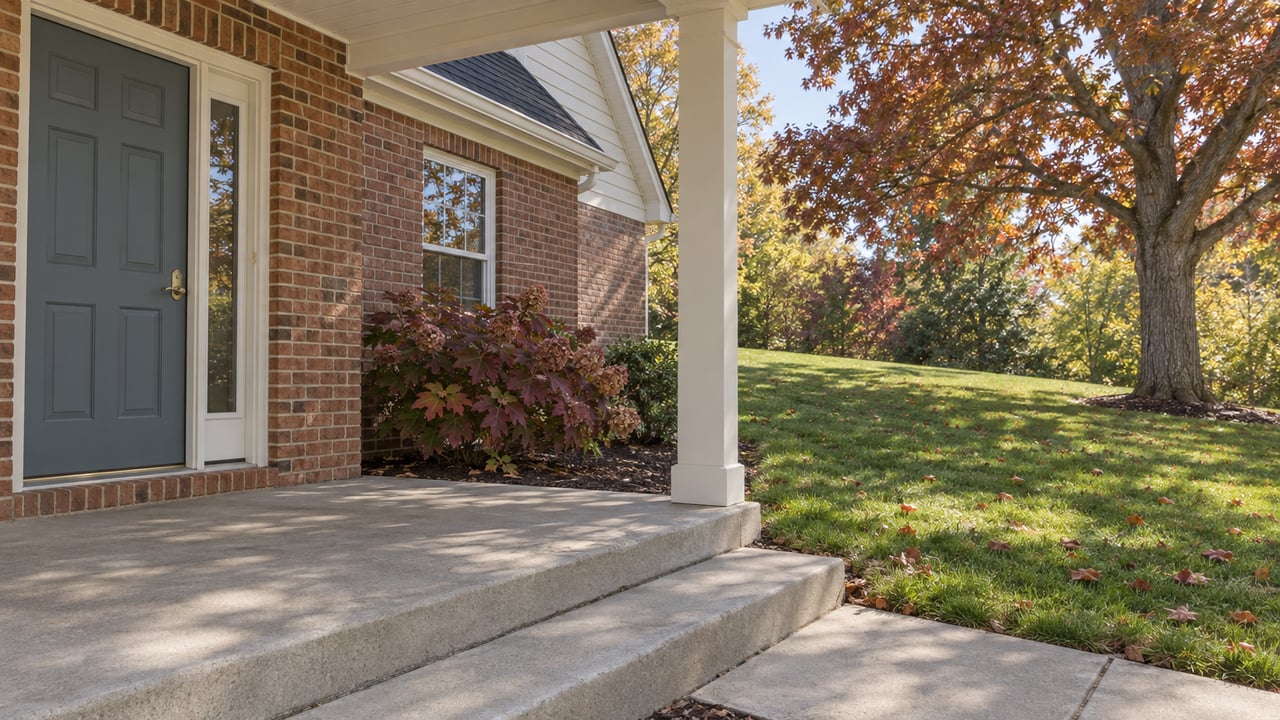
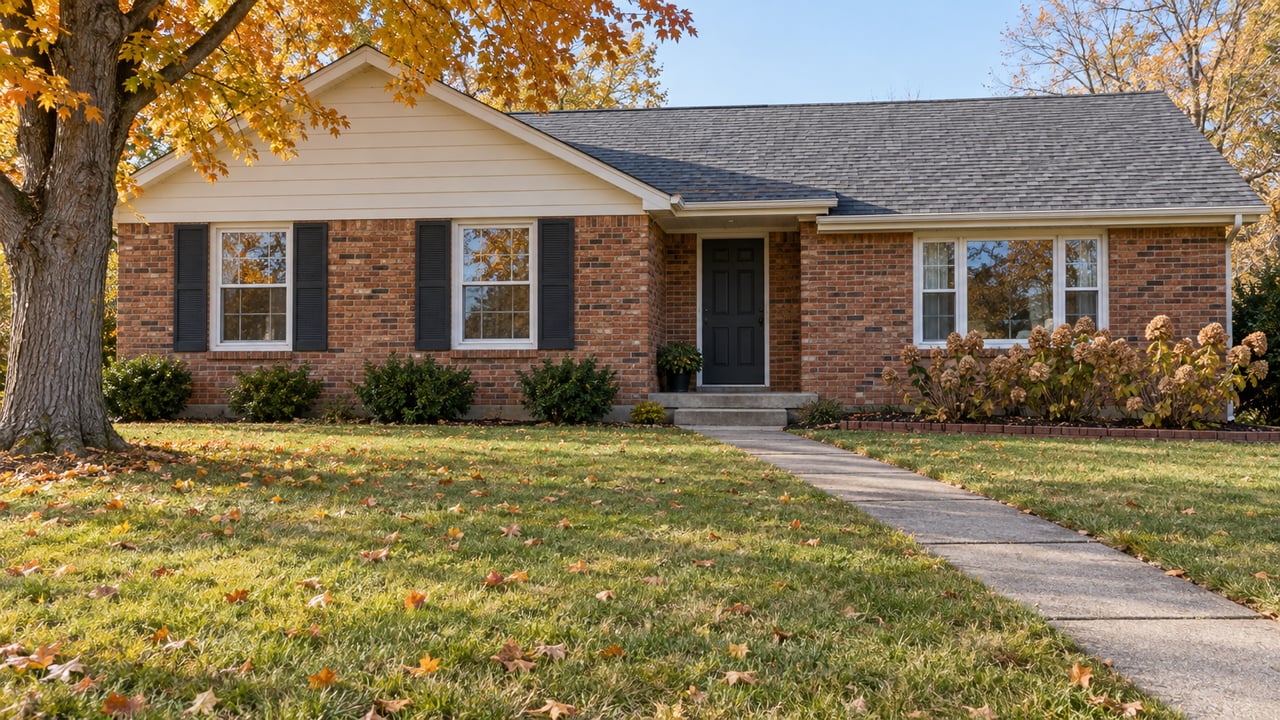
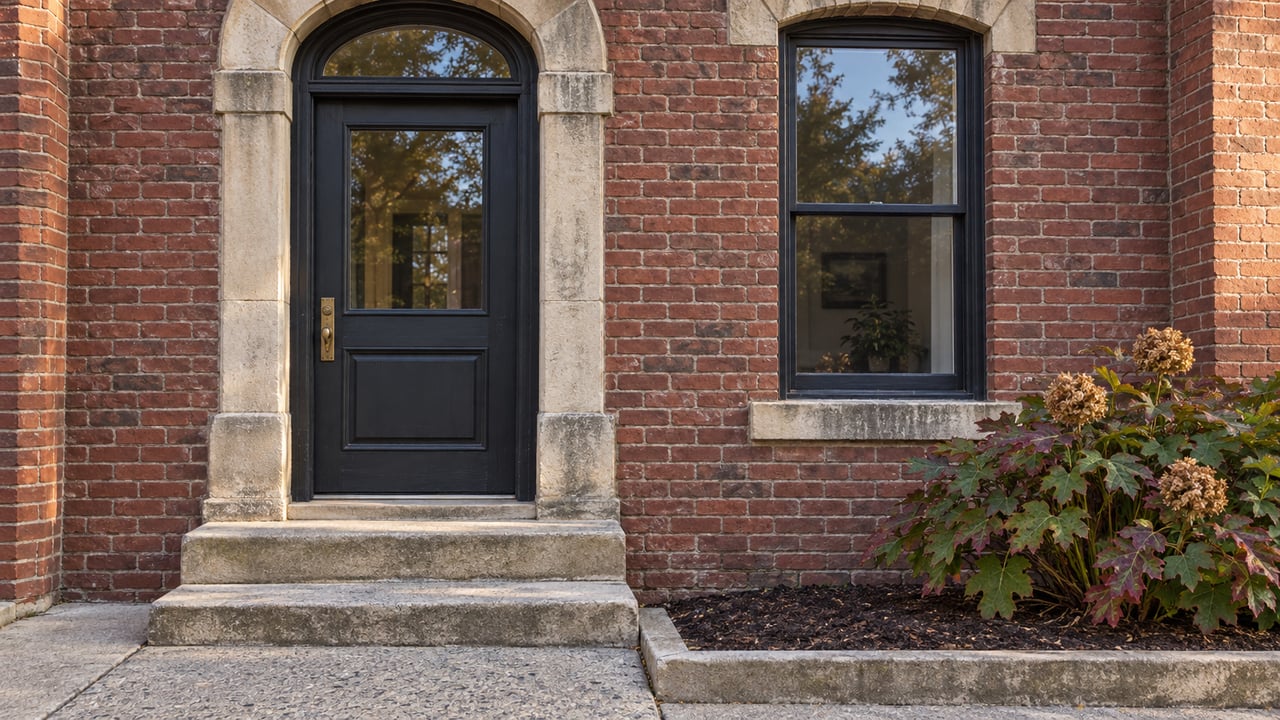
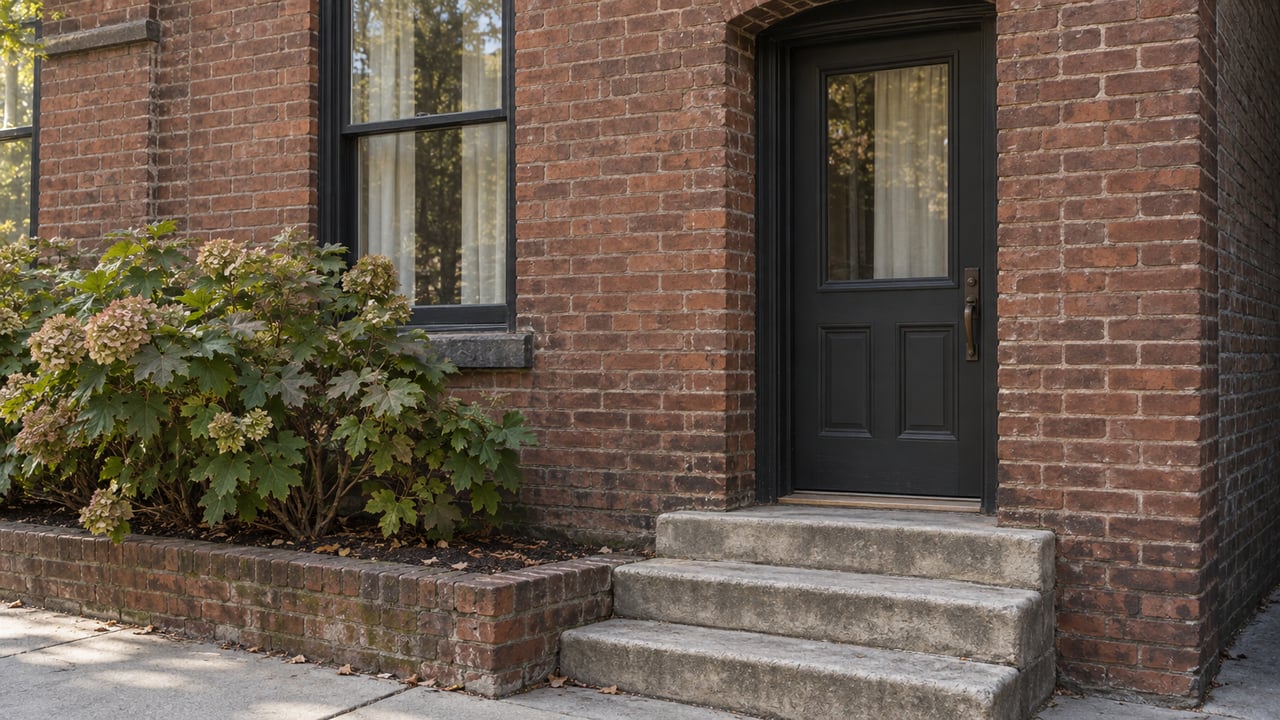
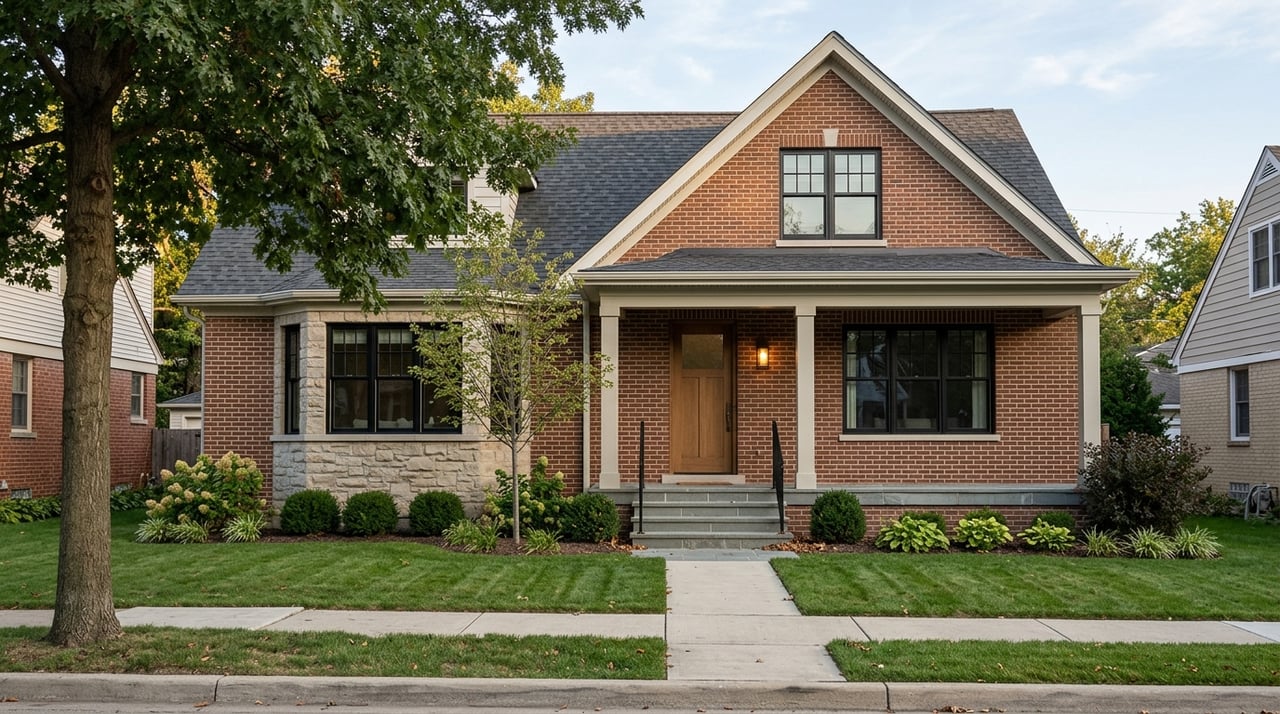
One of the biggest reasons buyers consider University City is its broad housing mix. The city says the community includes modest bungalows, historic mansions, single-family homes, multi-family properties, condominiums, apartment dwellings, senior housing, newer construction, and older character homes. That gives you more variety than you will find in many suburbs with a narrower housing profile.
This variety can be helpful if your needs are changing. You may be looking for a first home, a condo with less upkeep, a larger home with architectural detail, or an investment-minded purchase in an established area. University City offers multiple paths, which can make the search more flexible.
Census QuickFacts also supports that mixed-housing picture. The owner-occupied housing rate is 56.2%, the median owner-occupied home value is $306,700, and median gross rent is $1,319. That suggests a market with both ownership and rental options, rather than one dominant housing type.
What older housing can mean for you
The tradeoff for character is often maintenance. Based on the city’s housing mix and preservation framework, University City may reward buyers who appreciate older homes and neighborhood texture, but it can also require more patience around condition, updates, and block-by-block differences.
That matters when you start touring homes. Two properties at a similar price point may offer very different levels of updating, layout flow, and repair needs. If you are drawn to charm and established streetscapes, it helps to go in with clear priorities about renovation tolerance, budget, and timeline.
Historic districts and neighborhood character
Preservation plays a real role in parts of University City. The city’s historic-district map identifies multiple local and national historic districts and landmarks, including Parkview, Maryland Terrace, Linden-Kingsbury, Clifford Row, Olive Boulevard, and the University City Civic Complex. The city also has a Historic Preservation Commission and an Infill Review Board.
For you as a buyer, this can shape both the feel of a block and the expectations around change. In some areas, neighborhood character and compatibility are not just informal preferences. They are part of a more structured preservation environment, which is worth understanding before you buy.
Walkability is concentrated, not uniform
If walkability is high on your list, University City offers it in specific pockets rather than evenly across the whole city. The clearest example is The Delmar Loop, which includes a dense mix of restaurants, shops, services, galleries, and entertainment. The district also features self-guided walking experiences and the St. Louis Walk of Fame across six blocks with more than 150 stars.
This creates a very different feel from a suburb where retail is spread out and fully car-dependent. In University City, some locations place you closer to active commercial streets and a more walk-oriented routine. Other parts remain more residential and may still rely more heavily on driving for errands and dining.
Arts and culture are part of daily life
The Delmar Loop is more than a retail district. It is also home to venues and institutions that shape the area’s identity, including The Pageant, Delmar Hall, Blueberry Hill, and COCA’s University City campus for in-person arts classes. The city also supports arts and cultural programming through its Municipal Commission on Arts and Letters and CALOP.
For many buyers, that adds a layer of everyday value that is hard to measure on a listing sheet. You are not just choosing a house. You are also choosing whether access to events, arts programming, music venues, and local gathering places matters to the way you want to live.
Commuting from University City
University City has strong regional access for an inner-ring suburb. City materials identify Interstate 170, Interstate 64, Delmar Boulevard, Olive Boulevard, Hanley Road, and Midland Boulevard as key routes. That helps explain why the area can work well if your work, family, or daily destinations are spread across different parts of the metro.
Transit is also part of the picture here. MetroLink’s Delmar Loop Station has Red Line service and bus connections on routes 2 Red, 16 City Limits, 91 Olive, and 97 Delmar. University City-Big Bend Station is on the Blue Line, giving you another rail option depending on where you need to go.
The Metro Red Line serves stops including Clayton, Cortex, Union Station, Civic Center, and Delmar Loop. The Blue Line serves the corridor between Shrewsbury and Fairview Heights. If you value having more than one way to get around, that flexibility can be a meaningful advantage.
Census QuickFacts reports a mean travel time to work of 21.5 minutes for University City. That is a citywide average, not a promise for every commute, but it does support the idea that the location can work well for many metro-area travel patterns.
New growth is targeted
University City is not an outward-growth story. It is already built out, and the city’s planning direction centers on connectivity, housing quality and variety, and targeted mixed-use nodes. One example is the Market at Olive development area at Olive and I-170, along with ongoing retail and office opportunities on Delmar and Olive.
That matters because it helps set realistic expectations. If you want a place defined by broad new master-planned expansion, University City is probably not the right fit. If you prefer an established setting where change happens through focused reinvestment and corridor-based development, it may be a better match.
Who may feel at home here
University City is often a strong fit if you value:
- Historic character and older homes
- A mix of housing types
- Walkable commercial pockets
- Arts and cultural activity
- Transit access and regional connectivity
- An established inner-ring location with urban convenience
This combination can be especially appealing if you want a neighborhood that feels distinct rather than interchangeable. Many buyers are drawn to the balance of character, convenience, and local identity.
Who may want something different
University City may be a weaker fit if you are looking for:
- Large-lot newer construction
- A more uniform subdivision feel
- A lower-maintenance housing stock overall
- Retail and dining separated farther from residential areas
- A suburban pattern built around broad outward growth
That does not make it a bad option. It just means fit matters. The same features that make University City appealing to one buyer can make another buyer feel more comfortable elsewhere.
How to decide if University City is right for you
The best way to evaluate University City is to think beyond square footage and price. Ask yourself how you feel about older homes, neighborhood variation, and the possibility of balancing charm with future updates. Consider whether you want a place where certain corridors carry much of the walkability, dining, and activity.
It also helps to compare your daily routine with what the city offers. If easy metro access, transit options, and established commercial districts would improve your lifestyle, University City may check a lot of boxes. If your priority is a newer home in a more uniform setting, another community may align better.
A good home search is not about forcing a neighborhood to fit. It is about matching your budget, comfort level, and long-term goals to a place that feels right once the novelty wears off.
If you are weighing University City against other St. Louis area options, a clear side-by-side conversation can save you time and stress. Daryl Holland offers steady, relationship-first guidance to help you compare neighborhoods, understand housing tradeoffs, and move forward with confidence.
FAQs
Is University City a good place for buyers who want character homes?
- Yes. University City has a broad mix of housing that includes older character homes, bungalows, and historic properties, which can appeal to buyers who value architectural detail and established neighborhoods.
Is University City a good fit for buyers who want newer construction?
- It may be less ideal if newer construction is your top priority. The city is largely built out, and its housing stock includes many older homes alongside some newer development.
Is walkability available throughout University City?
- Walkability appears to be concentrated in specific areas, especially around The Delmar Loop and other activity corridors, rather than spread evenly across the entire city.
Does University City offer public transit access?
- Yes. University City has MetroLink access through Delmar Loop Station on the Red Line and University City-Big Bend Station on the Blue Line, plus several bus connections.
What kind of commute can you expect from University City?
- Census QuickFacts reports a mean travel time to work of 21.5 minutes for the city. Your actual commute will depend on your destination, but the area offers strong road and transit connections.
Why do buyers compare University City with other inner-ring suburbs?
- Buyers often compare University City because it offers a mix of established housing, cultural activity, walkable pockets, and metro access that can feel different from both newer suburbs and denser city neighborhoods.