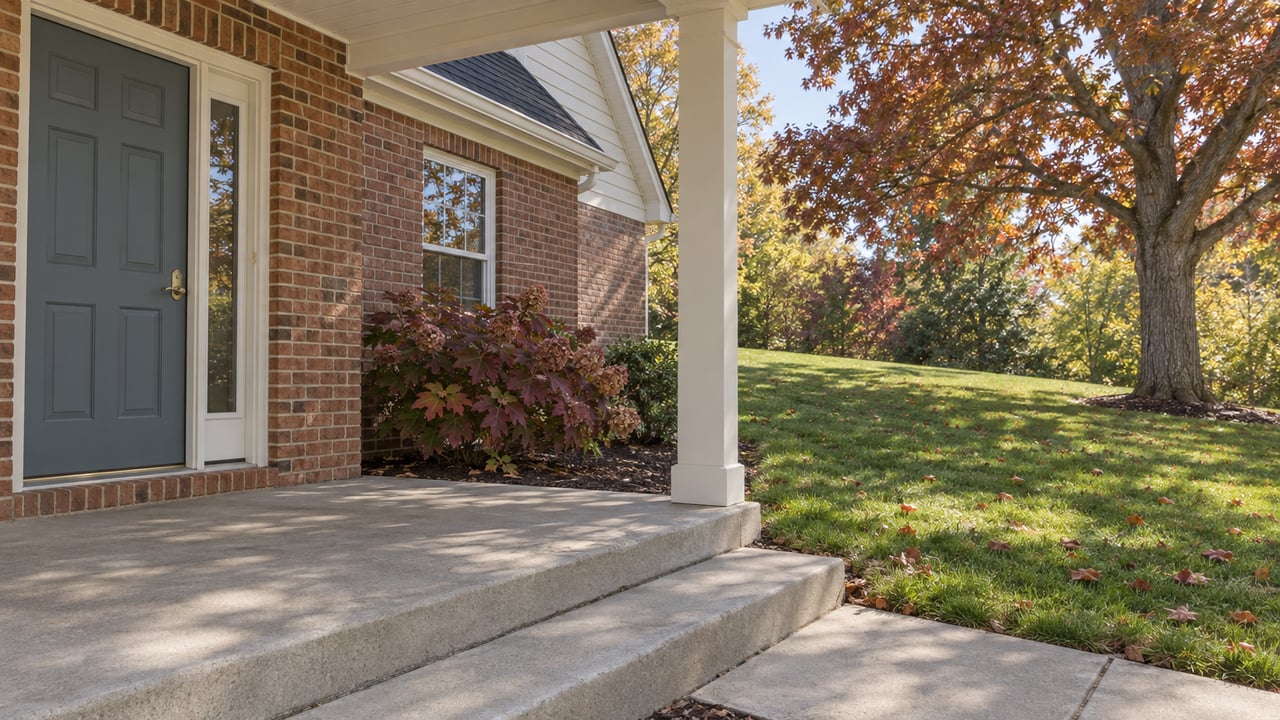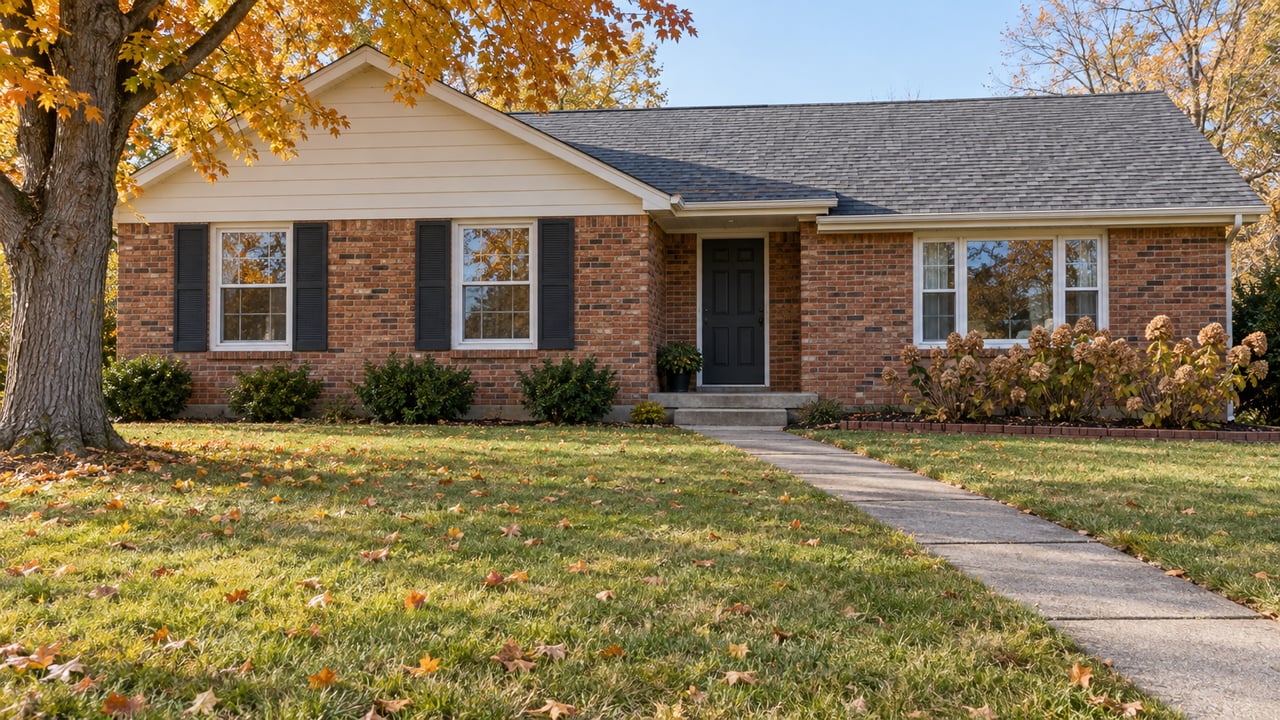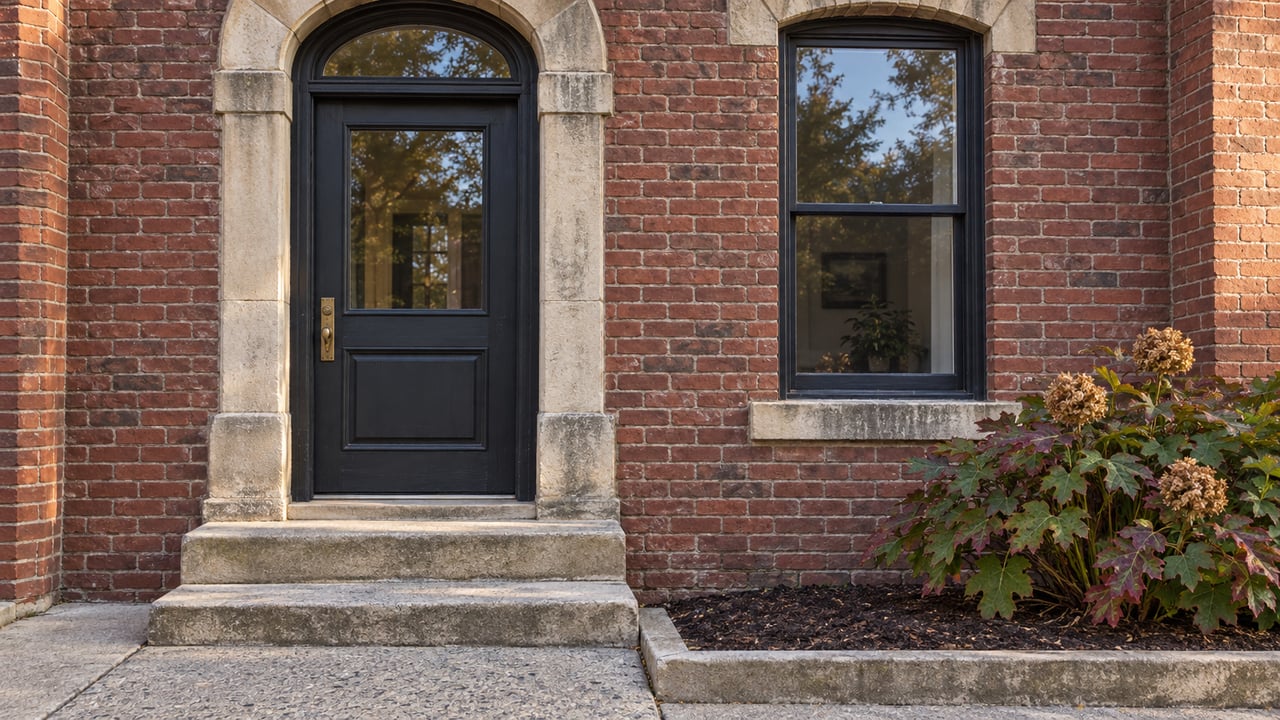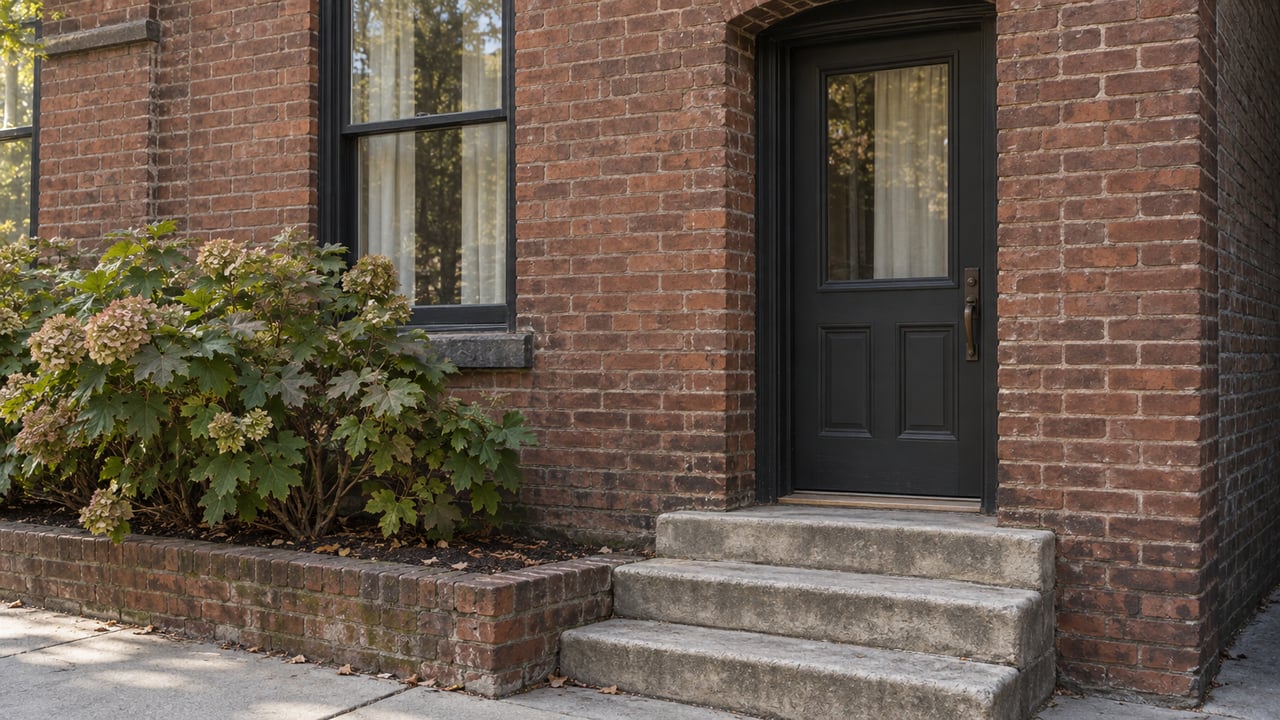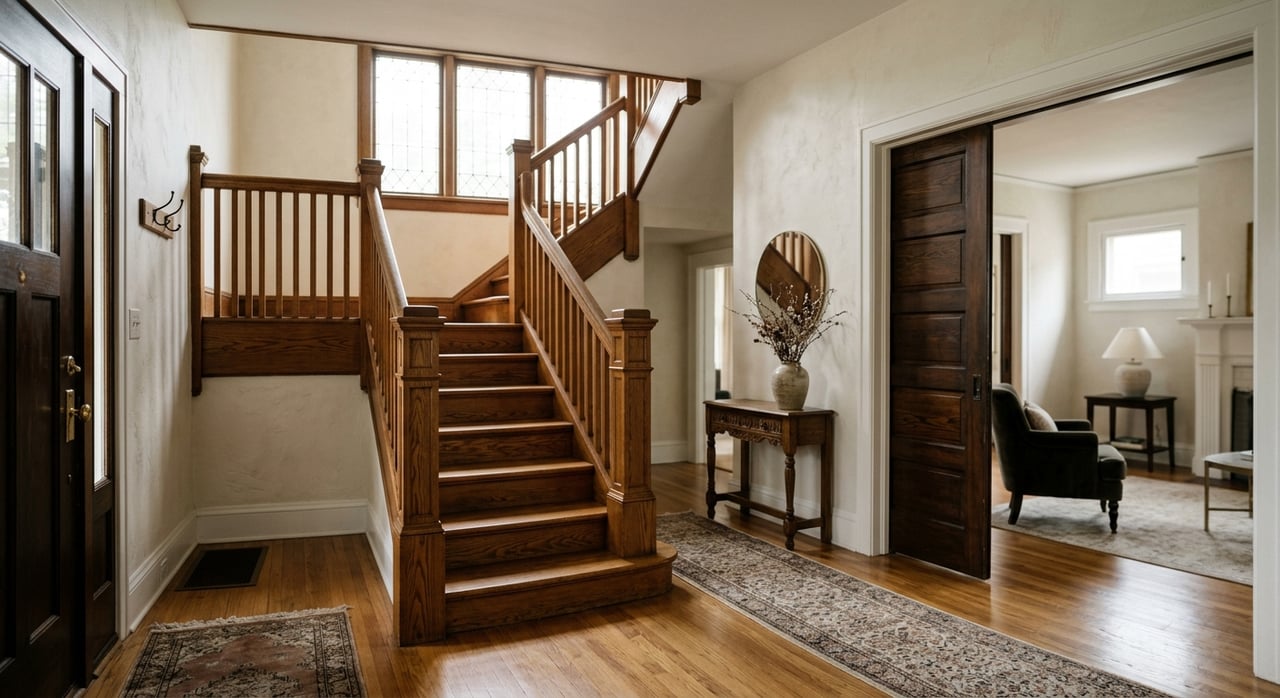
You can feel the difference almost right away in St. Charles. One home may sit near the riverfront with a front porch, older details, and a street pattern shaped by history. Another may offer newer systems, a more open layout, and a simpler maintenance outlook. If you are trying to decide which path fits your life best, this guide will help you compare the tradeoffs with more clarity and confidence. Let’s dive in.
Why St. Charles Offers Both
St. Charles has a particularly distinct split between historic homes and newer residential development. The city describes itself as a restored historic city on the Missouri River, with 26 individual landmarks and 6 historic districts containing more than 3,000 properties.
That historic identity is especially visible near the riverfront and Main Street area. The Main Street special business district sits along the Missouri River and is bounded to the west by 3rd Street, which helps explain why this part of St. Charles feels more historic and destination-oriented than a typical subdivision.
Outside that core, much of the housing story shifts toward more modern development patterns. St. Charles County’s zoning and subdivision framework is long established and standardized through its Unified Development Ordinance, while the city’s Building Division handles permits, plan review, and inspections for new residential construction.
What Historic Homes Offer
If you are drawn to older homes, St. Charles gives you a setting with real architectural character. The historic districts are shaped by preservation standards that aim to keep original features and overall streetscape character in place.
That often means details matter. City design guidelines emphasize preserving original site features such as setbacks, walkways, landscaping, and street trees. They also favor keeping front porches intact, avoiding porch enclosure, and repairing with materials and details that match the original building when possible.
For many buyers, that is the appeal. You are not just buying square footage. You are buying into a look, feel, and sense of place that has been intentionally preserved.
Historic homes can mean more review
In St. Charles historic districts, exterior changes may require Landmarks Board approval. The city says review may be needed for windows, doors, decorative elements, siding, porches, fences, demolition, and new construction, while some routine maintenance may not require approval.
That does not make a historic home harder to own. It does mean your future projects may involve extra steps, especially if you want to make visible exterior changes.
Historic homes often fit phased updates
A historic property can be a strong fit if you value character and do not mind taking improvements one step at a time. Based on the city’s rules and design standards, these homes are often better suited for buyers who are comfortable with specialty trades, matching materials, and a more thoughtful renovation pace.
If you love the idea of restoring rather than replacing, that can be a plus. If you want fast cosmetic changes with minimal oversight, it may feel less flexible.
Historic tax credits may help
Missouri’s historic preservation tax credit program may help offset rehabilitation costs for qualifying properties. According to the state program, the credit is generally 25% of qualified rehabilitation expenditures, or 35% for qualifying projects outside Kansas City or St. Louis City that do not receive or intend to receive low-income housing tax credits.
That does not mean every historic home will qualify. It does mean renovation-minded buyers should ask early whether a specific property and project may fit the program.
What Newer Builds Offer
Newer homes in and around St. Charles appeal to buyers who want a more predictable ownership experience. New residential construction goes through permits, inspections, and current building code review, which can offer peace of mind if you prefer newer systems and less immediate project work.
For many buyers, the biggest draw is functionality. New homes are often designed around open layouts and current preferences for space, flow, and everyday convenience.
The National Association of Home Builders reports that buyers are often drawn to new homes for open layouts, energy efficiency, warranties, and the chance to choose finishes such as appliances, flooring, and paint colors. Its 2024 survey work also found that buyers most often wanted homes in the 2,000 to 2,999 square-foot range.
Newer homes often feel simpler upfront
Compared with many historic homes, newer builds usually come with fewer preservation-related exterior restrictions. They also often require less project-based upkeep in the first few years, based on the city’s permit and code process and the absence of historic-district review on nonhistoric properties.
That can be especially helpful if you want a home that feels move-in ready from day one. It may also suit buyers who want to focus more on layout and daily function than on restoration decisions.
New construction still has rules
Even if you skip historic-district review, newer-build communities may still come with subdivision or HOA rules. Those are different from preservation guidelines, but they can still affect what you can do with the exterior, yard, parking, or additions.
That is why it helps to review community documents early. A newer home may offer fewer preservation hurdles, but it is still smart to understand any neighborhood-level requirements before you buy.
How the Lifestyle Feels Different
The historic riverfront side of St. Charles often appeals to buyers who want walkability, older architecture, and a stronger sense of place. City pages tied to Historic Main Street also center shops, restaurants, events, and visitor activity there, which adds to the mixed-use, active feel.
A newer-build setting usually offers a different kind of convenience. You may get a more standardized neighborhood layout, newer infrastructure, and a home designed around current living patterns, even if the setting feels less distinctive than the historic core.
Neither is better across the board. The right choice depends on how you want your home and surroundings to support your daily life.
Budget Context in St. Charles
Price will always depend on the specific home, location, condition, and features. Still, broad local benchmarks can help frame the conversation.
Census QuickFacts lists the median value of owner-occupied homes at $298,700 in St. Charles city and $320,800 in St. Charles County. Those numbers do not tell you what any one historic home or newer build should cost, but they do offer a useful city-versus-county reference point as you compare options.
Historic homes may sometimes carry added renovation costs, especially if repairs need to match original materials or go through review. Newer homes may reduce early repair spending, but they can come with different cost factors depending on age, finishes, and community structure.
Questions to Ask Before You Choose
Before you decide between historic charm and newer construction in St. Charles, it helps to slow down and ask a few practical questions.
Ask these questions on historic homes
- Is the property inside one of St. Charles’s local historic districts?
- Will the exterior updates you want likely need Landmarks Board approval?
- Are you comfortable preserving original features such as porches, materials, and site details?
- Could the property qualify for Missouri historic preservation tax credits if you plan a rehab project?
- Are you prepared for phased improvements or specialty repair work?
Ask these questions on newer builds
- Does the home come with subdivision or HOA rules?
- What features are original to the build, and what may still be under warranty?
- Does the layout fit how you actually live day to day?
- Are you choosing predictability and lower early maintenance over architectural character?
Ask this question on both
- Is the property in or near the floodplain?
The city participates in the National Flood Insurance Program and says floodplain development permits may be required for work in floodplain areas. The city also notes it cannot determine whether a specific property is in the floodplain, so buyers should use a flood-zone determination company, insurer, or Missouri land surveyor for that answer.
Which Option Fits You Best
A historic St. Charles home may be the better fit if you love porch-oriented streets, older architecture, and a home with a strong visual connection to the city’s past. It can be especially rewarding if you are comfortable with thoughtful upkeep and possible exterior review.
A newer build may fit better if you want open-concept space, newer systems, and a more predictable maintenance path. That route often works well for buyers who want convenience, flexibility inside the home, and fewer preservation-related decisions.
The key is not chasing someone else’s idea of the perfect home. It is choosing the type of home that fits your budget, your comfort level, and the way you want to live in St. Charles.
If you want help weighing the pros and cons of a historic home versus a newer build in St. Charles, Daryl Holland can help you sort through the details and move forward with confidence.
FAQs
Is a St. Charles home in a historic district important to know before buying?
- Yes. If a home is in one of St. Charles’s local historic districts, certain exterior changes may require Landmarks Board approval.
What exterior updates on a historic St. Charles home may need approval?
- The city says review may be needed for windows, doors, decorative elements, siding, porches, fences, demolition, and new construction, while some maintenance work may not need approval.
Can Missouri historic tax credits help with a St. Charles historic home?
- Possibly. Missouri’s program may offset qualified rehabilitation costs for eligible historic properties and projects.
Are newer builds in St. Charles easier to maintain at first?
- Often, yes. Newer homes usually have newer systems and fewer preservation-related exterior restrictions, which can make early upkeep more predictable.
Do newer-build homes in St. Charles still have neighborhood rules?
- They can. Even if a home is not in a historic district, subdivision or HOA rules may still affect exterior changes or property use.
How do I check if a St. Charles property is in the floodplain?
- The city says buyers should use a flood-zone determination company, insurer, or Missouri land surveyor because the city cannot determine floodplain status for a specific property.
Is Historic Main Street in St. Charles more mixed-use than a typical subdivision area?
- Yes. City pages place shops, restaurants, events, and city promotion around Historic Main Street, giving that area a more active mixed-use feel.